What we fund: Caseworker team at leading psychotherapeutic centre
Impact: Coordinated assistance to 20,000 soldiers and civilians managed in past 4 years
It is the edge of winter in Ukraine, and the first cold days have come.
In a country whose energy infrastructure has been systematically attacked by Russia, the season carries a particular menace. This Winter will play its part in determining how well Ukraine can withstand Russia's advantages in manpower, industrial output, firepower, and apparent determination to smite Ukraine.
But I am in a basement in Kyiv to hear about another threat to Ukraine's ability to endure this war — and eventually to recover from it.
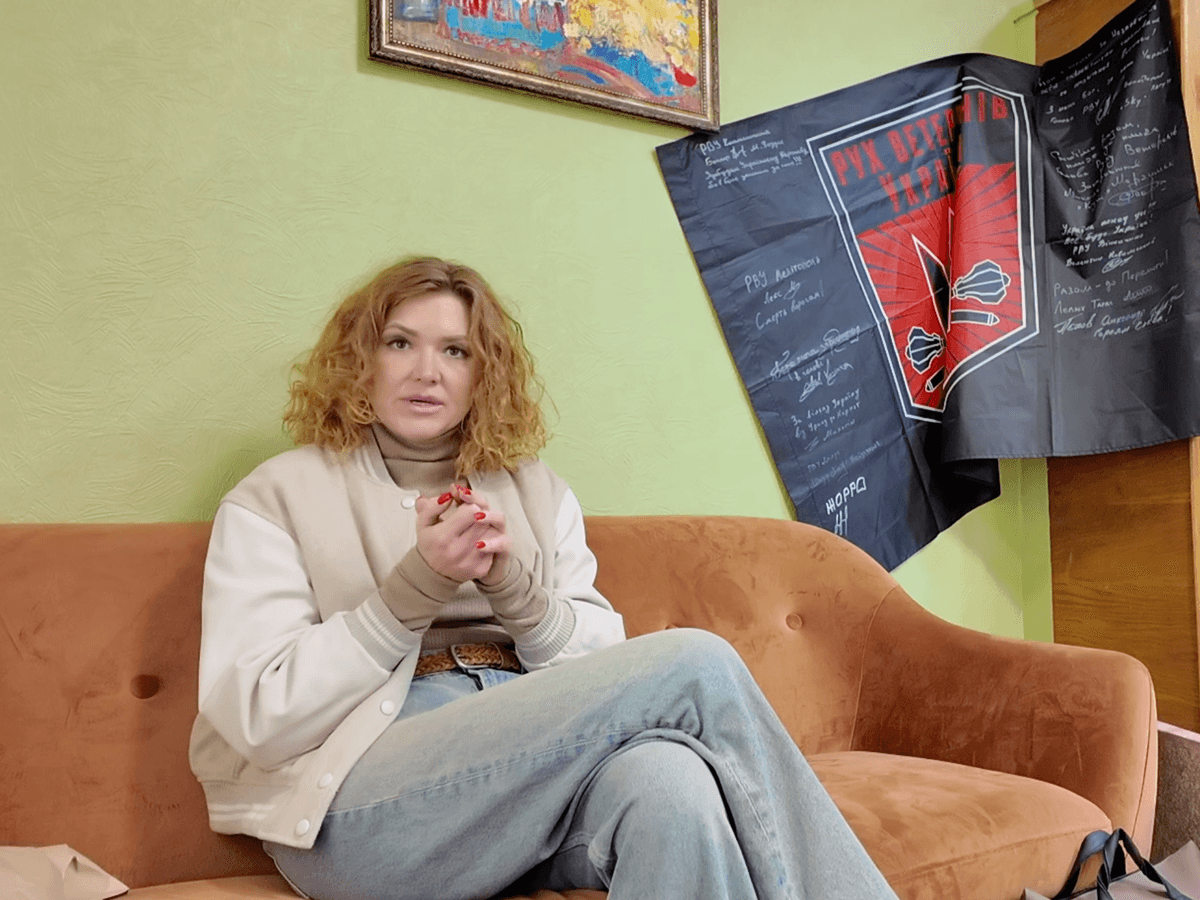
"Mild traumatic brain injuries... it's like an epidemic here," says Dr Ksenia Vosnitsyna, in her office at Forest Glades
Around the room are psychologists, neuroscientists, combat medics, army commanders and senior military medical officers. An American specialist in military brain injury joins remotely. The meeting is being led by Dr Ksenia Vosnitsyna, a neurologist and director of Forest Glades, a specialist rehabilitation centre on the outskirts of Kyiv.
They are talking about something soldiers of an earlier generation called shell shock.
The terminology has changed. The phenomenon has not.
Across a frontline stretching roughly 1,200 kilometres (745 miles), Ukrainian troops have endured prolonged exposure to artillery, missiles, drones and glide bombs. A soldier does not have to be struck by shrapnel to be injured by an explosion.
Blast waves can pass through the body and affect the brain. A soldier may walk away without an obvious wound and yet suffer headaches, dizziness, memory loss, sleep disturbance, difficulty concentrating, changes of mood and a range of other neurological and psychological symptoms. Repeated exposure compounds the problem. The injury can be real even when conventional scans reveal little.
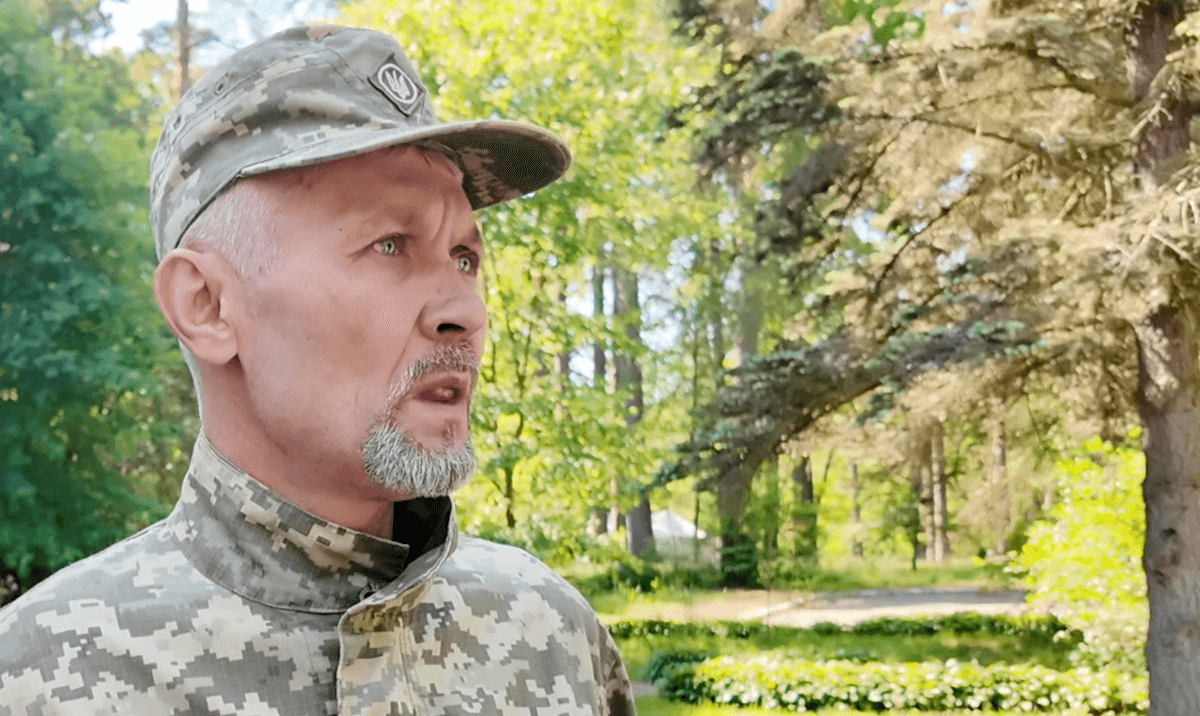
Volodomyr, 54, in the grounds of Forest Glades. A mechanic before the war, he tells me he has MTBi. In his phone, he shows me video lifted from a Russian reconnaissance drone showing the repeated blasting of his position with artillery.
Vosnitsyna talks repeatedly about this invisibility. Mild traumatic brain injury — mTBI — and post-concussion syndrome are easily overlooked in a military system under immense pressure to return people to their units in a country with a shortage of fighting personnel. Ukraine is fighting an existential war.
A portion of the patients are soldiers and civilians returned from Russian captivity. Caseworkers describe men and women who have endured beatings to the head, starvation, and electric-shock torture. They often arrive carrying the psychological consequences of captivity as well as neurological injuries resembling those of soldiers repeatedly exposed to explosions.
Planet Humana's funding
Although we primarily fund volunteers teams, in this case we chose to fund the small caseworker team for which government funding was not available. Planet Humana's modest contribution means that every patient enjoys a case manager who leads them on their treatment path. Their job is not simply to offer counselling session. They help patients navigate treatment and rehabilitation, working across the medical, psychological and practical administrative problems that accompany serious trauma. They have managed more than 20,000 troops and civilians in the past 4 years.
Ukraine does not have the luxury of treating every traumatised soldier within the systems available to European forces. Western armies like the U.S. generally plan around rotation, recuperation and sophisticated military medical systems.
Many soldiers have consequently spent extraordinary periods close to the front. More than 100 days is not uncommon.
One of the Forest Glades caseworkers, Anastasia Pugachova, told me that until the centre successfully advocated for a change in military policy, shell-shocked soldiers deemed 'fit' were routinely being returned to combat. She says that, after treatment and several weeks of rest, 80% still choose to return to their comrades.
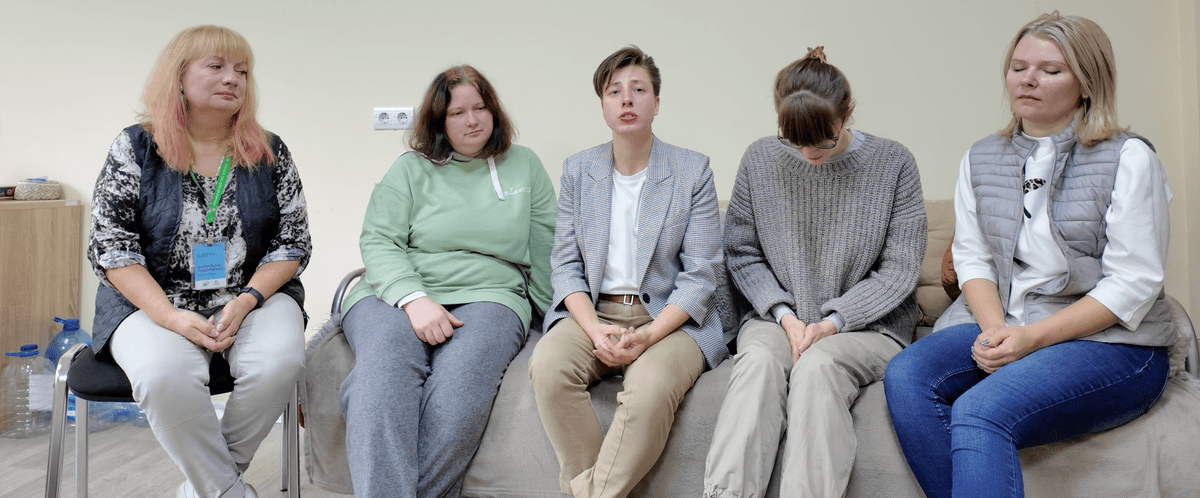
Anastasia Pugachova, centre, and the Forest Glades case management team. "We hear the warriors' stories... sometimes they are pleasant, but mostly they are traumatic."
The treatment for troops raises other issues. Ukraine already has more than a million veterans. A million more are serving. Of those, 75,000 are women. When war is done, or at least paused, Ukrainians will return from military service to families, workplaces and communities. Former prisoners will continue to come home. People carrying injuries that cannot readily be seen will have to resume ordinary lives – rebuilding and making Ukraine economically viable as it assumes the position of European bulwark against Russian aggression.
Ukraine's ability to rebuild will therefore depend not only upon bridges, power stations, schools and apartment buildings. It will depend upon the recovery of the human beings who defended them.
Mainstreaming Forest Glades' Holistic Approach
The Forest Glades treatment paradigm must be extended throughout Ukraine, mainstreaming the capacity to recognise the long-term symptoms of MTBi in schools, clinics, doctors rooms, and police stations, for decades to come. Forest Glades has now opened the second of six country-wide clinics to pursue this program.